How to Prepare for Your Appointment
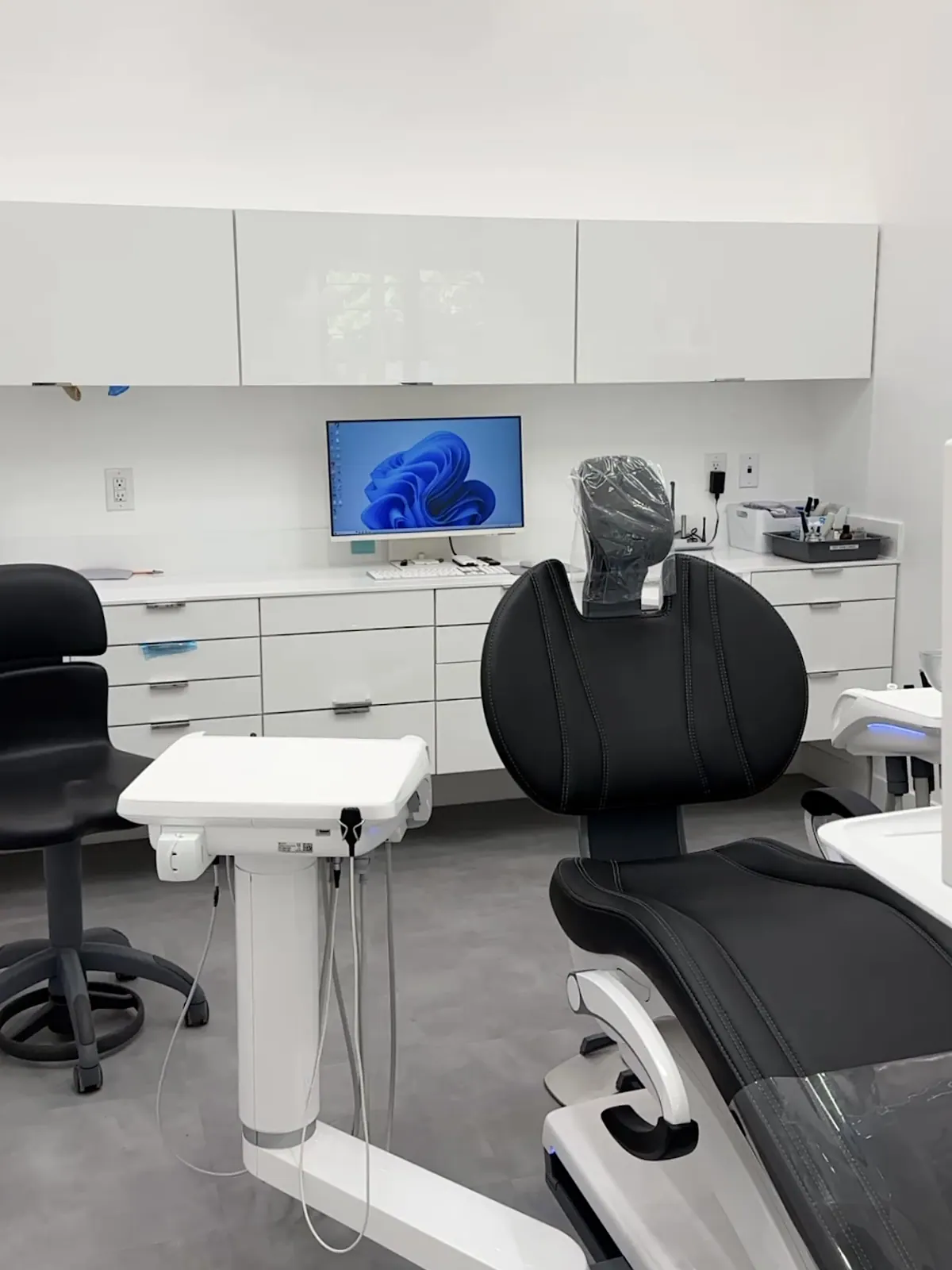
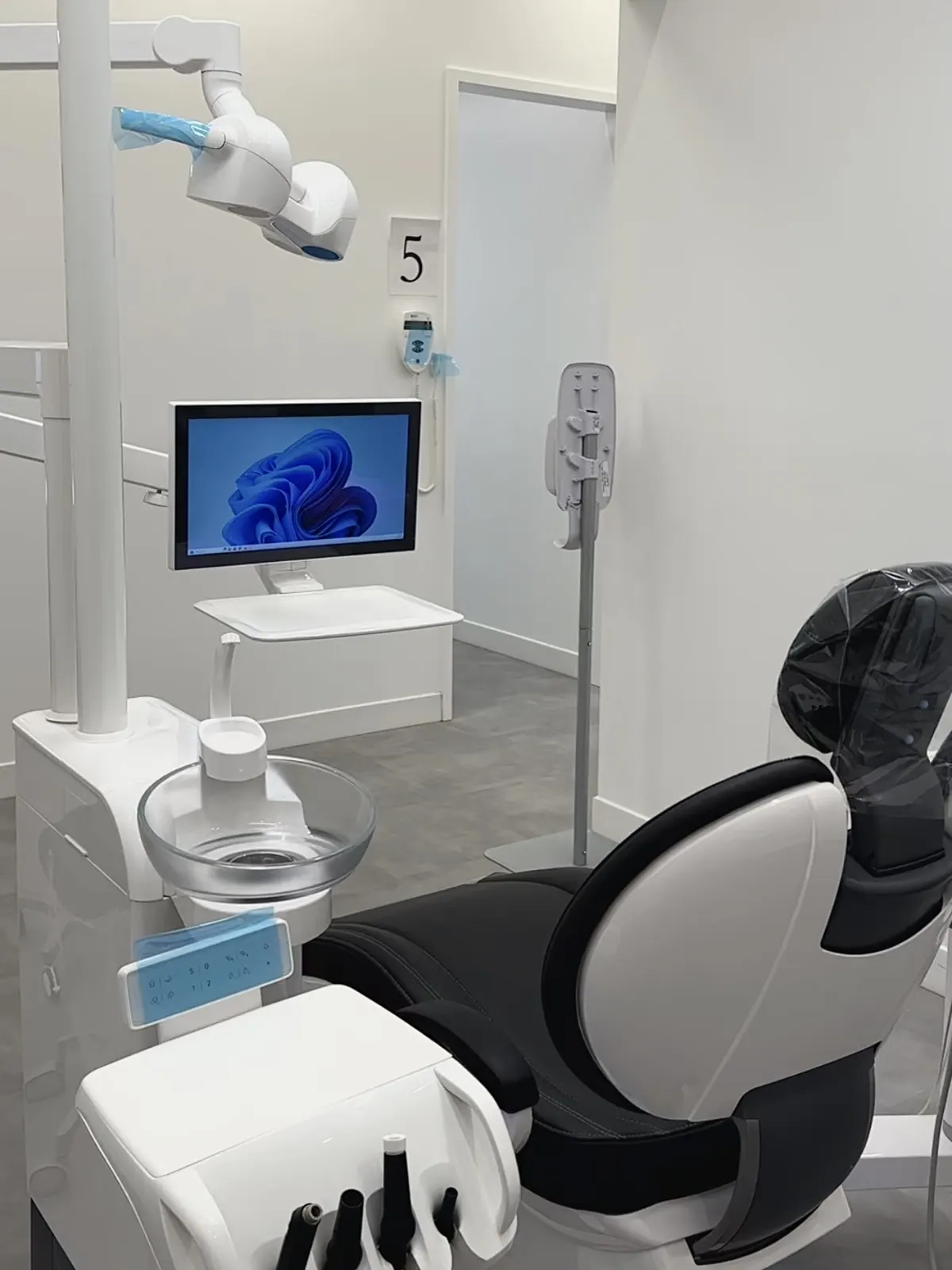
At Green Apple Dental, our commitment to using cutting-edge technology and all-digital tools ensures precise, effective, and comfortable care for all your dental needs. If you're experiencing a toothache, trust our advanced emergency dental services in Surrey, BC to deliver fast relief and lasting solutions.
- Bring Your Insurance Information : Ensure you have your insurance details handy for a smooth check-in process.
- List of Symptoms : Write down any symptoms you're experiencing to help us understand your condition better.
- Questions : Don't hesitate to ask about your treatment options or any concerns you may have.
Frequently Asked Questions
1. What should I do if my toothache is severe? If you're experiencing severe tooth pain, contact us immediately for an emergency appointment. Avoid any further irritation to the affected area and refrain from consuming hot or cold foods until you can be seen by a dentist.
2. How can I manage my toothache at home before my visit? You can try the following home remedies to alleviate discomfort temporarily:
3. What are the common causes of toothaches? Toothaches can be caused by several factors, including:
4. How is a toothache diagnosed? During your visit, our dentists will perform a thorough examination, which may include:
5. What treatments are available for a toothache? Treatment will depend on the cause of your toothache. Common options include:
6. How long will it take to recover from toothache treatment? Recovery time varies based on the treatment received. For instance:
7. Are toothache treatments covered by insurance? Most dental insurance plans cover a portion of toothache treatments. We recommend checking with your insurance provider for specific coverage details and any out-of-pocket expenses.
8. What can I do to prevent future toothaches? To help prevent toothaches, consider the following tips:
9. When should I see a dentist for a toothache? You should see a dentist as soon as possible if you experience:
- Take over-the-counter pain relievers, such as ibuprofen or acetaminophen, as directed on the label.
- Rinse your mouth with warm saltwater to help reduce inflammation and cleanse the area.
- Apply a cold compress to the outside of your cheek for 15-20 minutes to help numb the pain and reduce swelling.
- Avoid very hot, cold, or sugary foods and drinks that may aggravate the pain.
- Dental Cavities : Decay that penetrates the tooth can lead to pain.
- Gum Disease : Infections or inflammation in the gums can cause discomfort.
- Tooth Abscess : An infection at the root of a tooth can result in severe pain and swelling.
- Cracked or Fractured Teeth : Damage to a tooth can cause sharp, intense pain.
- A detailed medical and dental history.
- Visual inspection of the affected tooth and surrounding area.
- X-rays to identify any underlying issues such as cavities, infections, or bone loss.
- Fillings : For cavities and minor decay.
- Root Canals : To treat infected tooth pulp.
- Extractions : If the tooth is severely damaged or infected.
- Gum Treatment : For gum disease, which may involve deep cleaning or surgery.
- Minor procedures like fillings may allow you to return to normal activities the same day.
- More complex treatments like root canals may require a few days for full recovery.
- Your dentist will provide specific aftercare instructions to ensure a smooth recovery.
- Maintain a regular dental hygiene routine: Brush twice daily and floss regularly.
- Visit your dentist for routine check-ups and cleanings.
- Avoid sugary snacks and drinks, which can contribute to cavities.
- Wear a mouthguard if you grind your teeth at night.
- Severe or persistent pain.
- Pain accompanied by swelling or fever.
- Pain that lasts more than a day or two.
- Any injury to the teeth or jaw.